Why Australian-Made Triathlon Suits Improve Race Day Consistency
- 05 Apr, 2026
- Home , SCODY News and Product Reviews
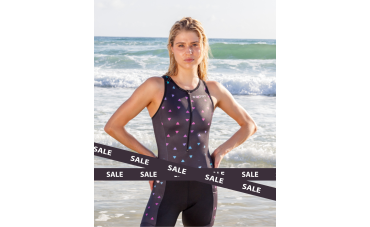
Consistent racing is not about one magic workout, it is about removing as many variables as possible on the day. Australian-made triathlon suits help with that by giving you stable fit, steady temperature control and reliable construction, so your gear behaves the same way in the swim, on the bike and on the run. When your suit is predictable, your power, pace, heart rate and effort feel more predictable as well.
Race day consistency simply means this: your numbers and your body feel under control from start to finish. No random hot spots, no suit riding up, no surprise chafing halfway through the run. Because we manufacture made-to-order in Brisbane, we can keep a close eye on fabric choice, pattern accuracy and quality checks. In this article, we will walk through the fabric science, fit, comfort, local manufacturing and some practical tips for choosing the right triathlon suit for your season, including those cooler autumn and winter races in Australia.
Why Does Fabric Technology Matter so Much Over Three Legs?
Across swim, bike and run, your body is dealing with water, wind, sun and sweat. Advanced fabrics in triathlon suits help regulate temperature, move moisture away from the skin and reduce drag in the water and in the air. When those three things stay controlled, your body does not have to fight your kit, so your pacing and effort become steadier.
A few simple fabric ideas are worth knowing. Hydrophobic fabrics repel water so they shed pool or salt water quickly after the swim, which helps you dry faster on the bike. Hydrophilic layers can pull sweat off your skin and spread it out so it can evaporate. UPF ratings matter because they measure how well a fabric blocks UV rays, and on long, sunny Australian bike legs, a suit with good UPF can help protect your skin while still letting heat escape. Compression panels are slightly firmer sections, usually around thighs and glutes, designed to give gentle support, with the aim of supporting muscle shape and blood flow without cutting off movement.
At SCODY we work with Australian-based triathletes to test fabrics in hot, humid and cooler conditions. We look at things like:
- Drying time and how quickly sweat and swim water leave the fabric
- How core temperature trends across a full Olympic or 70.3 distance session
- How effort feels when the suit is soaked compared with when it is mostly dry
When moisture and temperature are controlled, several good things happen late in the race:
- Less chafing and skin irritation, so you waste less attention on discomfort
- More stable skin temperature, which often lines up with more stable heart rate and pacing choices
- Less drag and water weight in the swim, so you start the bike fresher, not already fighting fatigue
How Should a Triathlon Suit Fit for Reliable Performance?
For reliable performance, a triathlon suit should fit like a second skin: firm but not restrictive. You want the suit to move with you, not against you. When panels stay in place, your aerodynamics, support and comfort feel the same from the start line to the finish chute.
In simple terms, a “second-skin fit” means that standing up, the suit might feel snug, especially around shoulders and thighs, but in riding position and running it should feel supportive without pinching or pulling. “Panel mapping” refers to how seams and fabric panels are placed around shoulders, hips and thighs to follow natural movement lines; good mapping means less bunching and fewer pressure points. Gripper systems at the legs and arms are there to stop the suit from riding up, with the goal being a firm hold without that sausage effect on the skin.
When you try on triathlon suits, run through a few checks:
- In a bike position, there should be no gaping at the lower back and no sharp pulling across the shoulders.
- When you mimic a running stride, the torso should not bounce or twist too much and seams should not dig into your hip flexors.
- Around the neck and underarms, you should be able to mimic a freestyle stroke without cutting or rubbing.
Because we make triathlon suits to order in Brisbane, we can hold tighter tolerances on pattern cutting and stitching. That leads to:
- Better size predictability between training and race suits built from the same pattern
- Easier fine-tuning of fit over time as we listen to feedback from local tri clubs and ambassadors
- More consistent fit from one order to the next, which helps give you the same feel at every event
How Do Local Manufacturing and Quality Control Reduce Surprises?
Australian manufacturing and made-to-order production cut down the random factors that can appear with high volume offshore production. Less variation between suits means fewer shocks on race morning and more trust in how your kit will behave under pressure.
In simple terms, our made-to-order process works like this:
- Your order, whether standard or custom teamwear, triggers single-garment or small batch production
- Fabric rolls, cutting and assembly all happen in our Brisbane facility
- Each suit passes through consistent workstations with checks at each stage
Quality control is tightly linked to race day consistency. We focus on:
- Panel alignment checks so seams sit where they are meant to on both sides of the body
- Stitch density and stress-point tests on hems, zips and chamois zones to handle repeated movement
- Random sample testing in the pool, on the trainer and on the run with local athletes
Local production is especially helpful for Australian triathletes because it allows:
- Fast feedback loops from clubs and age groupers racing at events around the country
- Seasonal tweaks like adjusting fabric weights or sleeve lengths for an April to June race calendar with cooler starts and mild afternoons
- Shorter supply times so you can train in the exact suit you plan to race in, well before your key event
How Do Comfort and Chafing Control Protect Your Pace?
Comfort might sound soft, but it directly affects your ability to hold power, pace and a nutrition plan. When a triathlon suit limits chafing, pressure points and hot spots, your brain can focus on effort and tactics, not on fixing your clothing every few minutes.
Comfort comes from several design choices:
- Low-profile, flatlock seams that sit flatter against the skin and reduce friction over long distances
- A triathlon-specific chamois that is thinner, quick-drying and shaped to support riding while still allowing comfortable running
- Soft bindings at the neck, armholes and leg openings that balance grip with a smooth edge on the skin
The link between comfort and consistency is simple:
- Fewer micro-adjustments like tugging or shifting your suit means smoother technique and less wasted energy
- Less skin breakdown means less burning from salt water, sweat and sunscreen later in the race
- When comfort is predictable, you can stay with your planned wattage, pace and nutrition instead of reacting to irritation or pain
We refine comfort by testing with both age-group and elite athletes across different distances, then using their race reports to guide the next round of improvements. In practice, that feedback helps us adjust:
- Seam placement away from rub zones
- Chamois density so it supports without feeling bulky
- Gripper tension so legs stay put without cutting in
Those small changes are fed straight into our Brisbane manufacturing runs, which then flow into future made-to-order suits.
How Can You Choose the Right Suit for Your Season Ahead?
To pick the right triathlon suit, think about your race distance, climate and how you train, then test the suit in race-like sessions. That way, you already know how it behaves before your A race.
A simple way to decide is to compare by distance and by climate/timing:
By distance
- Sprint and Standard: Aim for aerodynamics and fast transitions, a lighter chamois and a slightly more aggressive fit.
- 70.3 and Full: Put long duration comfort, temperature control and storage first, while still keeping an eye on aero.
By climate and timing
- For many Australian autumn races, mornings can feel cool but bike legs still sit in warm sun. Sleeved suits with good UPF, breathable fabrics and moderate insulation can help you stay warm early without overheating at midday.
When you get a new suit, use a basic testing plan:
- Do at least two brick sessions in it, ideally including some swim to bike or bike to run transitions
- Pay attention to any hot spots at around 60 to 90 minutes on the bike and 30 to 60 minutes into the run
- Watch how your heart rate lines up with your usual training power or pace so you can see if you feel smoother or more strained in that suit
You can order standard triathlon suits for training and racing, join custom teamwear orders with your club, or connect with our team at events and through ambassadors for help with fit, fabrics and timing across your next race block. When your race kit becomes part of your training routine, not just a last-minute pick on race week, your triathlon suit turns into one more tool for steady, confident race day performance.
Take Your Next Triathlon To The Next Level
Ready to feel stronger, faster and more comfortable on race day? At SCODY, we craft high performance triathlon suits that support you from the first stroke to the final sprint. Explore our latest designs, fits and custom options to find what suits your training and race goals. If you have questions or need personalised guidance, simply contact us and we will help you choose the right gear.